

Using Automation to Achieve Lean Manufacturing Goals
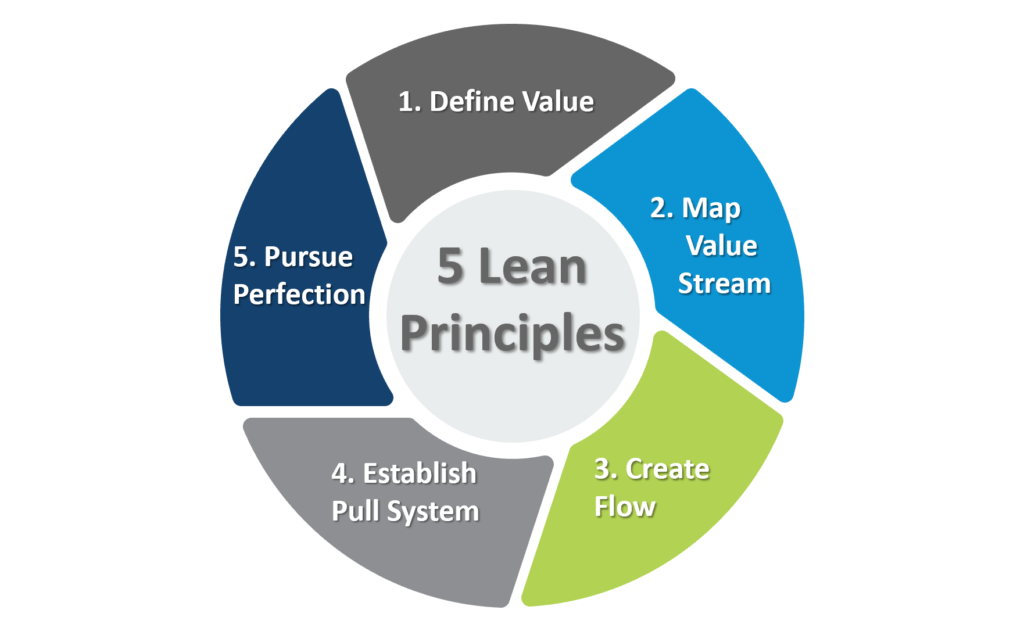
In today’s fast-paced and highly competitive manufacturing landscape, Lean Manufacturing principles remain the gold standard for driving efficiency, reducing waste, and improving overall productivity. Taiichi Ohno, a Toyota engineer known as the father of Lean Manufacturing, said the goal was simple: “reduce the lead time.”
Shorter lead times mean less waste and more flexible processes. The benefits include:
- Lower costs
- Less money tied up in inventory
- Better use of factory space
- Faster delivery to customers
- Greater ability to adapt to customer needs
As the world moves faster and customers demand more customization with quicker turnaround, reducing lead time becomes increasingly critical. However, achieving true Lean is easier said than done, especially in an era of skilled labor shortages and increasing complexity. That’s where automation steps in—not as a replacement for Lean thinking, but as a powerful enabler that helps manufacturers achieve Lean goals faster and more sustainably.
Eliminating Waste with Automation
Lean focuses on removing waste from processes, including things like making too much, waiting around, moving items unnecessarily, doing extra work, keeping too much inventory, excess movement, and mistakes. Automation helps eliminate these problems by making processes smoother, cutting down on manual work, and keeping outputs consistent.
Automated conveyor systems, for instance, keep products moving steadily so there’s less transportation waste and waiting time. Robotic arms and pick-and-place machines handle repetitive jobs quickly and accurately, which reduces wasted movement and lets workers focus on more important tasks.
Improving Quality and Consistency
Automation enhances quality by minimizing human error and ensuring consistent output. Automated inspection systems, for instance, can detect defects in real time, allowing for immediate corrective actions that prevent downstream quality issues. This not only reduces scrap and rework but also builds customer trust in the brand.
Automation aligns perfectly with Lean’s emphasis on built-in quality and mistake-proofing (poka-yoke, a Japanese term meaning “error-proofing”), ensuring problems are caught at the source rather than passed along the production line.
Enhancing Flow and Reducing Lead Time
Lean Manufacturing emphasizes continuous flow and minimal lead times to respond quickly to customer demand. Automation facilitates flow by reducing bottlenecks and ensuring smooth transitions between workstations.
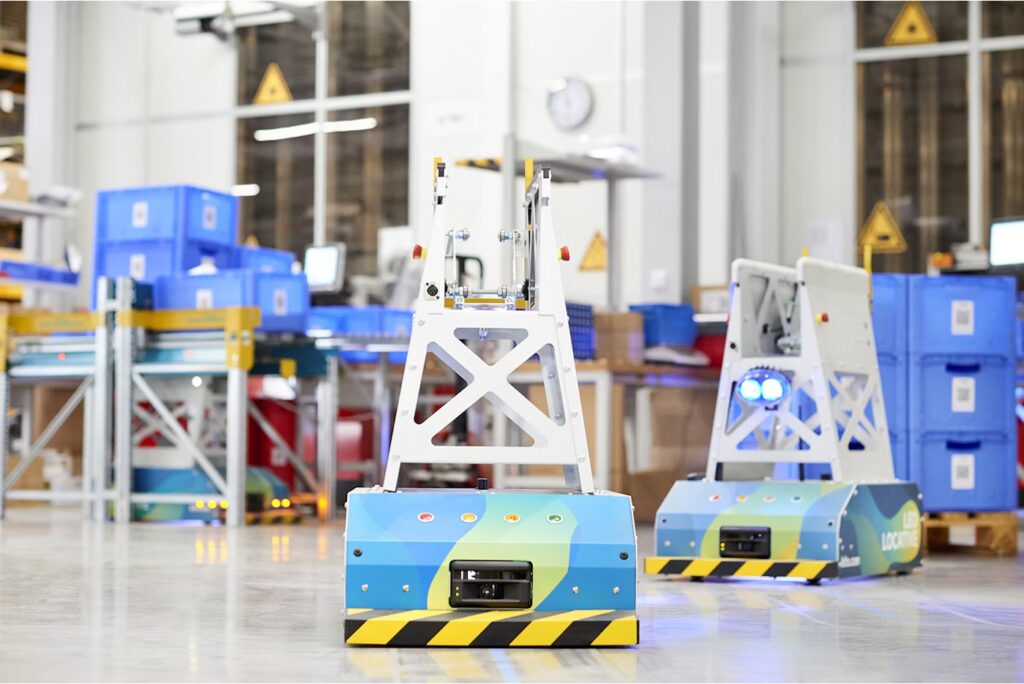
Automated guided vehicles (AGVs) and collaborative robots (cobots) keep materials moving efficiently through the plant, while flexible automation solutions can adjust to changes in production schedules without major reprogramming. This adaptability is crucial for maintaining Lean’s just-in-time (JIT) production philosophy.
Supporting Continuous Improvement
One of the cornerstones of Lean is kaizen—continuous, incremental improvement. Automation generates a wealth of real-time production data, from cycle times and downtime events to throughput rates and defect counts. This data, when analyzed properly, identifies hidden inefficiencies and highlights opportunities for process optimization.
By leveraging this information, manufacturers can implement targeted improvements that sustain Lean gains and drive ongoing cost reduction.
Empowering People, Not Replacing Them
Lean is fundamentally about empowering people to identify and eliminate waste. Automation doesn’t replace this principle—it enhances it. By automating repetitive and physically demanding tasks, workers are freed to focus on higher-value activities such as problem-solving, process optimization, and innovation. This alignment of human skills with meaningful work creates a more engaged workforce and accelerates Lean transformation.
The Powerful Synergy
Lean Manufacturing and automation are not opposing forces—they’re complementary tools for achieving operational excellence. As described in depth in Failure to Automate, a book written by our founder, automation acts as a magnifying glass that enhances the systems of Lean Manufacturing.
Automation provides the consistency, speed, and data-driven insights that Lean initiatives need to thrive, while Lean thinking ensures that automation is applied where it adds the most value. Together, they form a powerful synergy that helps manufacturers meet customer demands faster, with higher quality and lower costs—the hallmarks of a truly Lean operation.