
Metal & Foundry
Controls built for harsh, high-heat, 24/7 environments — simple enough for any operator to run.
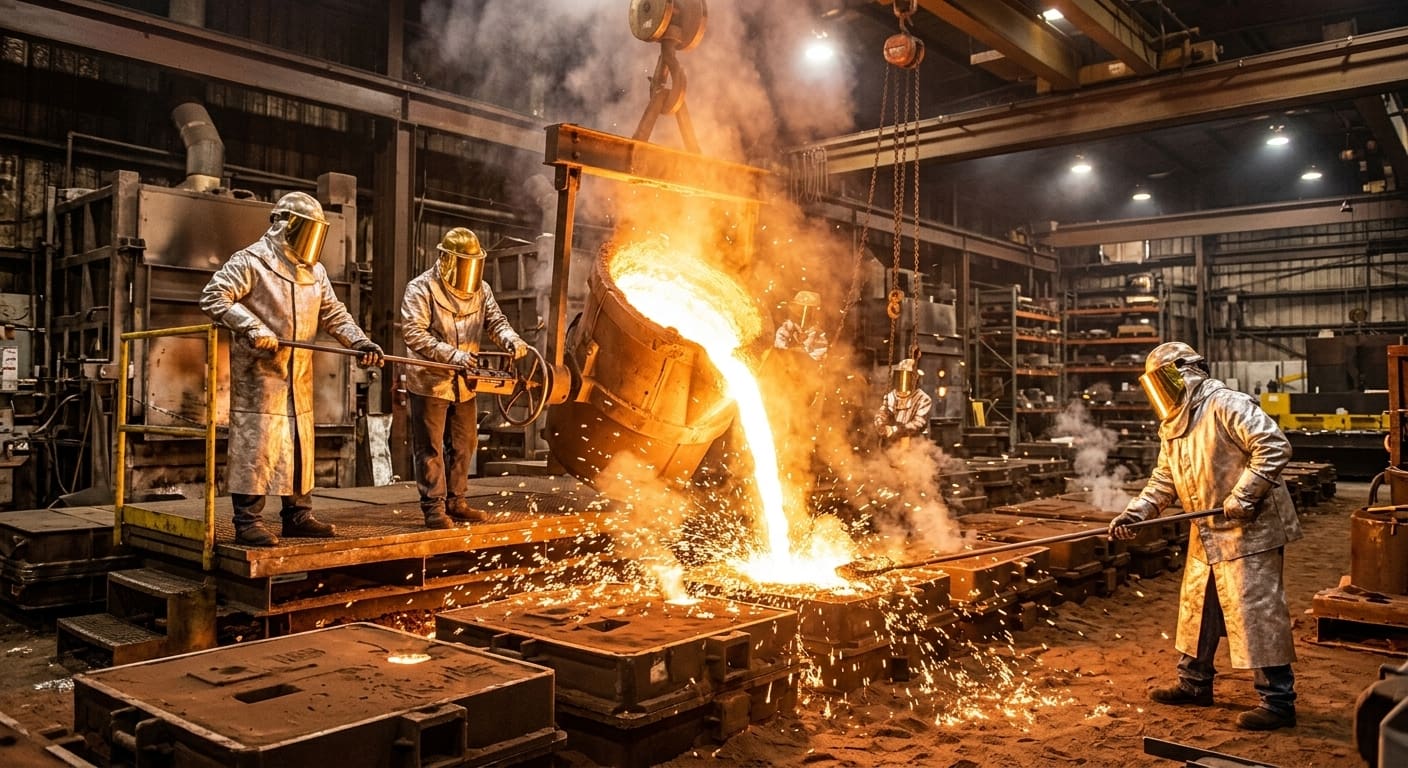
Foundry and metal processing equipment runs hard — high heat, long duty cycles, and little tolerance for downtime. Most of our work in this space isn't building something from nothing; it's upgrading what's already there. We retrofit and replace aging equipment, commission the new systems, and add automation that makes the process more efficient than it was before.
Real Work in This Industry

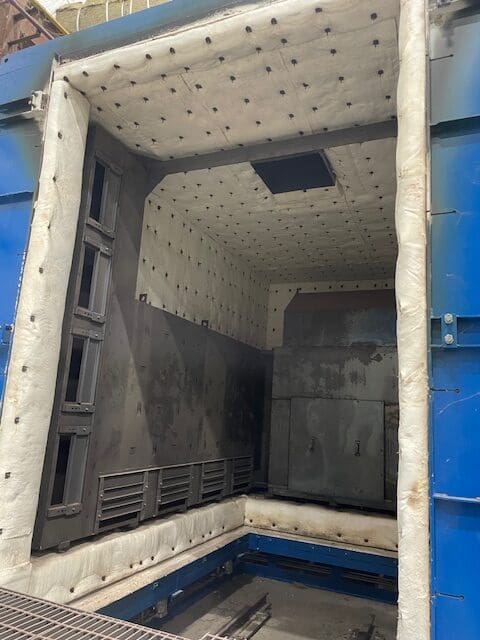
Furnace Systems: Controls and automation for furnace operation and process control.
Robotic Material Handling: Robotic systems for moving parts through high-heat processes.
Oven and Robotics Integration: We've implemented an oven system combined with robotics for mold drying and preparation.
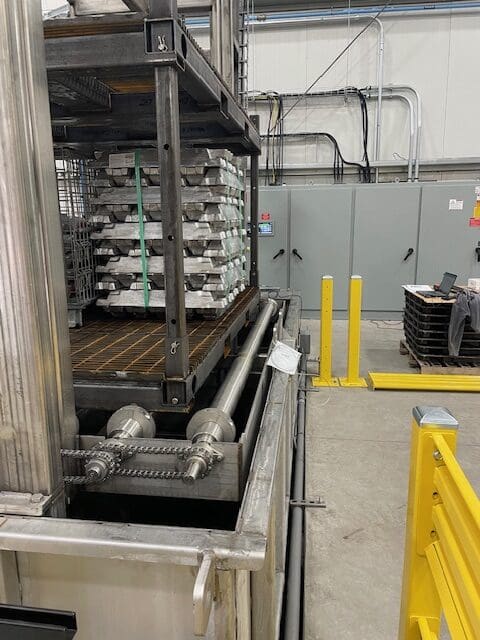
Dunk Tank & Furnace Commissioning: We've commissioned a dunk tank and furnace system for parts processing.
Laser & Plasma Cutting Systems: Installation and software design for large laser and plasma cutting systems, including onsite installation, operator training, software development, and testing.
"One Button" Simplicity for a Demanding Environment
Foundry equipment often runs 24/7 in high-heat conditions, and the controls have to hold up to that without becoming a liability. Our approach is what we call "one button" — one button to start the system, one to stop it, with nothing more required of the operator during normal operation. We build in manual controls for the cases that need them, but the system is designed so an operator should never have to reach for them unless something's actually gone wrong. Simple to run, robust enough to run continuously.
Related Services
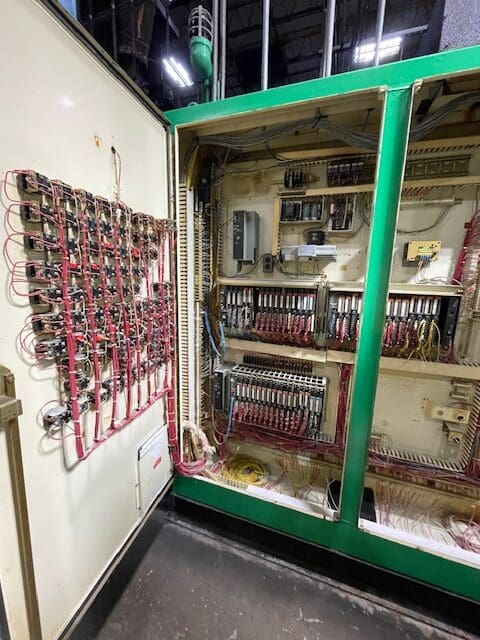
Retrofits & Upgrades
The most common starting point for foundry and metal processing projects
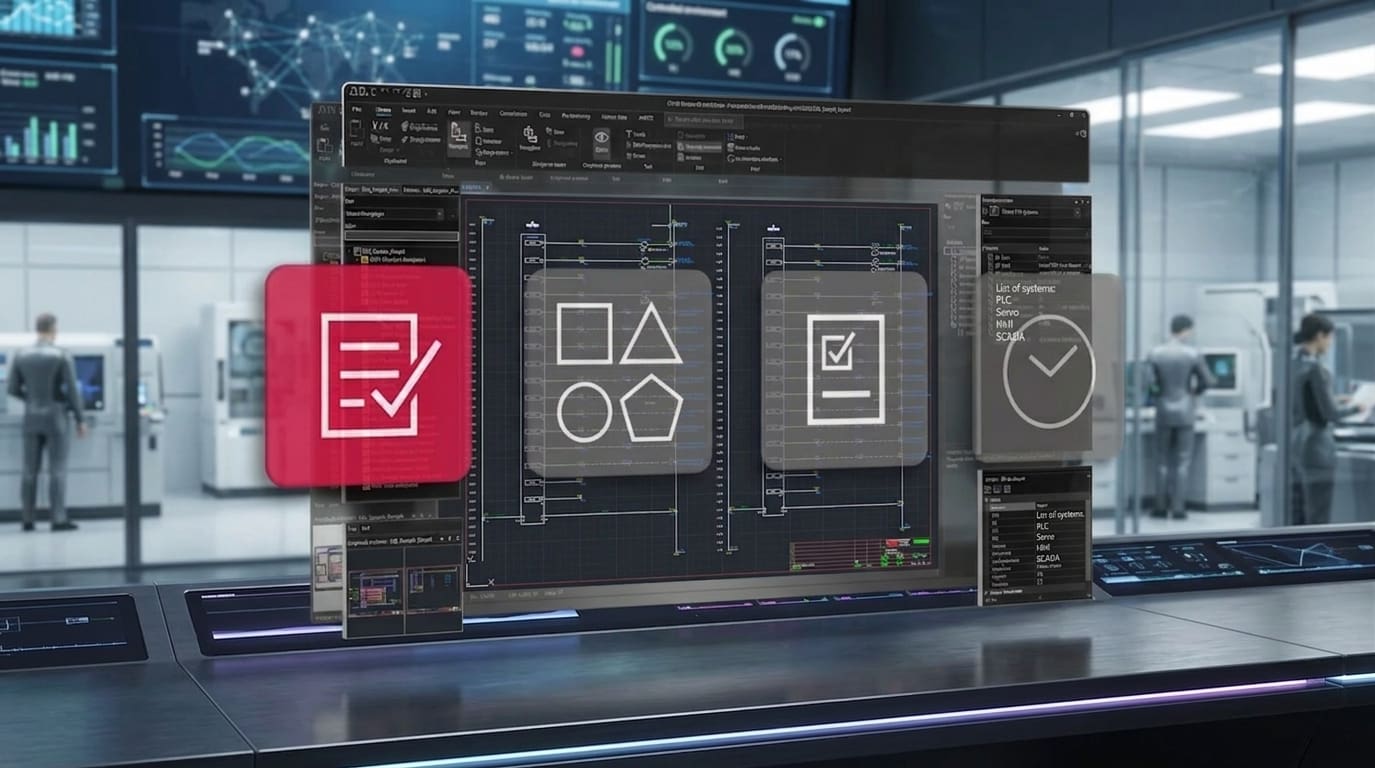
Custom Automation
For the added automation that makes an upgraded process more efficient
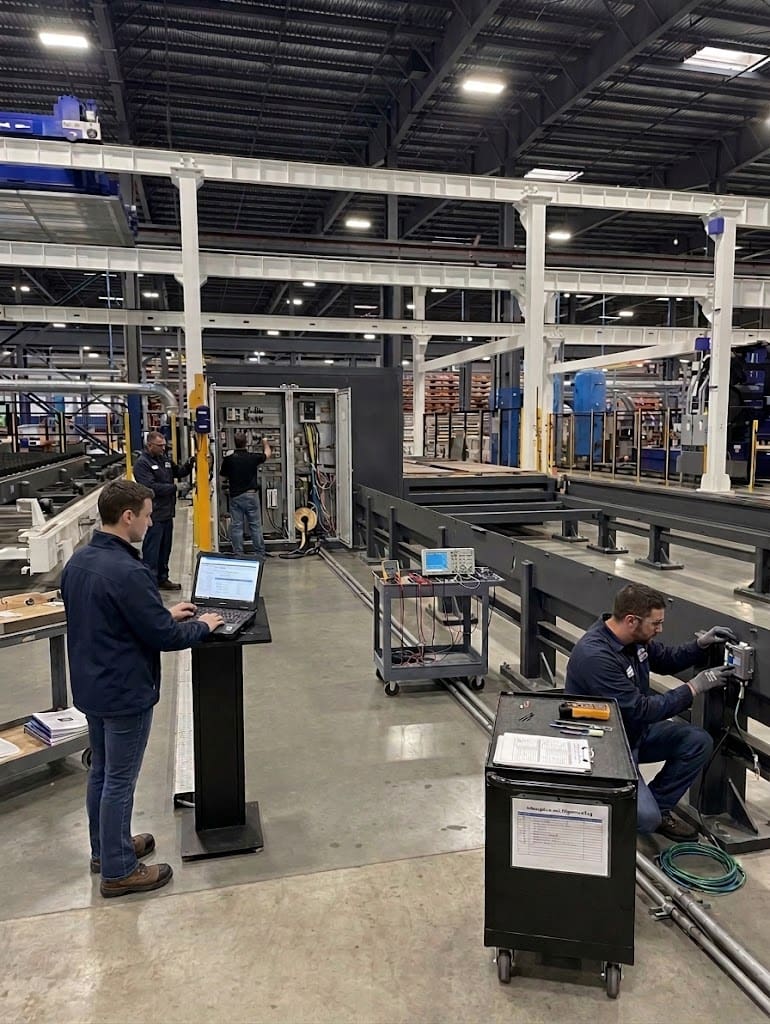
Onsite Integration
Commissioning and startup for equipment running in demanding conditions
Running Foundry or Metal Processing Equipment That Needs an Upgrade?
Tell us about the equipment and what it needs to do, and we'll follow up to talk through what an upgrade could look like.